
Frequently Asked Questions About Data Center Construction in Texas
Texas is experiencing the most rapid period of data center construction in its history, driven by unprecedented demand for AI‑ready capacity and megawatt‑scale campuses. As projects grow in size and complexity, teams face unique regional challenges including power access on ERCOT, water constraints, extreme heat, permitting variability, and workforce pressure.
These FAQs address the most common questions project teams are asking today and highlight where these challenges are explored in depth across the Advancing Data Center Construction Texas agenda.
Why is Texas becoming the leading market for large scale data center construction?
Texas is entering the most accelerated period of data center construction in its history, driven by hyperscale expansion, AI ready mega campuses, and demand across Dallas–Fort Worth, Austin, San Antonio, and emerging rural hubs. This event brings together the owners, developers, and delivery partners shaping where capacity is being deployed and how projects are delivered at scale across the state.
Related sessions:
Texas market outlook and growth strategy discussions on Conference Day One
How are ERCOT power constraints shaping data center project timelines in Texas?
ERCOT’s deregulated grid and overlapping large load demand are creating new complexity around interconnection timing, outage coordination, and utility capacity. Project teams are increasingly required to align energy strategy, site selection, and delivery schedules far earlier to avoid delays.
Related sessions:
ERCOT interconnection and utility coordination panels on Conference Day One
Alternative power strategy explored during the Pre Conference Workshop Day
How long does it currently take to secure power and grid interconnection for Texas data centers?
Securing power in Texas now depends on tightly coordinating ERCOT interconnection milestones with utility execution constraints, capital prioritization, and outage windows. Delays often arise when power strategy is not fully integrated into early site and project planning.
Related sessions:
Utility coordination and interconnection planning on Conference Day One
Direct engagement with alternative power scenarios during Pre Conference Workshop A
What strategies are developers using to manage rising energy costs in Texas data center projects?
As energy costs rise and grid access tightens, developers are exploring alternative and on‑site power solutions to improve efficiency, reduce emissions, and protect delivery timelines. Texas’s deregulated power market is enabling more flexible procurement and energy strategies.
Related sessions:
Comparing alternative power generation options in Pre‑Conference Workshop A
Energy strategy discussions on Conference Day One
How are increasing rack densities affecting data center construction in Texas?
Higher rack densities are increasing mechanical and electrical loads and pushing traditional construction approaches to their limits. These changes are impacting cooling design, sequencing, and workforce requirements during delivery.
Related sessions:
Direct‑to‑chip and hybrid cooling impacts explored in Pre‑Conference Workshop B
Density‑driven delivery reflections on Conference Day Two
Why are traditional cooling strategies struggling to support high density facilities?
Traditional air‑cooled designs are reaching their limits as AI‑driven workloads increase heat density. Construction teams are now required to deploy advanced liquid and hybrid cooling systems without slowing delivery or overstressing power infrastructure.
Related sessions:
Advanced cooling deployment challenges covered in Pre‑Conference Workshop B
Delivery implications discussed on Conference Day Two
How much water do data centers use, and why is this becoming a priority issue in Texas?
Water scarcity, drought conditions, and regulatory scrutiny across Texas are reshaping how cooling systems are designed and built. Water strategy must now be integrated early into infrastructure planning, permitting, and mechanical system coordination to avoid delays.
Related sessions:
Optimizing water use and cooling infrastructure in Pre‑Conference Workshop C
Regional execution challenges discussed on Conference Day Two
What steps are being taken to reduce carbon impact during data center construction?
Project teams are increasingly evaluating materials, procurement decisions, and construction methods that reduce embodied carbon while maintaining schedule certainty. These decisions are now closely tied to delivery risk and long‑term performance.
Related sessions:
Materials and efficiency strategies on Conference Day Two
Why are data center construction timelines getting longer despite modular approaches?
While prefabrication and modularization can accelerate delivery, Texas projects are facing new constraints around labor availability, logistics, extreme heat, and power readiness. Teams are reassessing where modular approaches truly de‑risk schedules versus where they introduce complexity.
Related sessions:
Prefabrication and modular decision‑making case studies on Conference Day Two
How are teams addressing early stage coordination challenges before construction begins?
Before projects move on site, teams must align power strategy, cooling approach, water planning, and delivery assumptions to avoid late‑stage redesigns. The Pre‑Conference Workshop Day focuses on resolving these technical and coordination challenges upfront.
Related sessions:
Project setup and technical coordination explored throughout the Pre‑Conference Workshop Day
Who should attend Advancing Data Center Construction Texas?
This event is designed for professionals responsible for planning, designing, and delivering data center projects across Texas, including hyperscalers, colocators, developers, contractors, designers, utilities, and trade partners involved in active builds.

Explore the Agenda
Dive into the latest construction and development breakthroughs shaping the Texas data center market through a highly interactive agenda.
Partner With Us
Align your brand with Texas’s most influential data center construction decisionmakers and ensure you are at the center of the conversations driving the next wave of data center development across Texas.

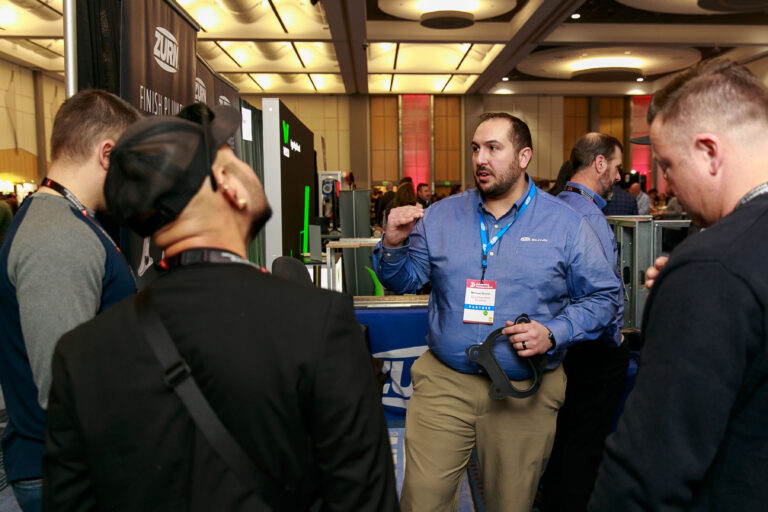
Join Data Center Experts
Connect directly with hyperscalers, colocators, developers, contractors, utilities, manufacturers, and infrastructure leaders active in the Texas market and build the partnerships powering the next generation of Texas data center projects.